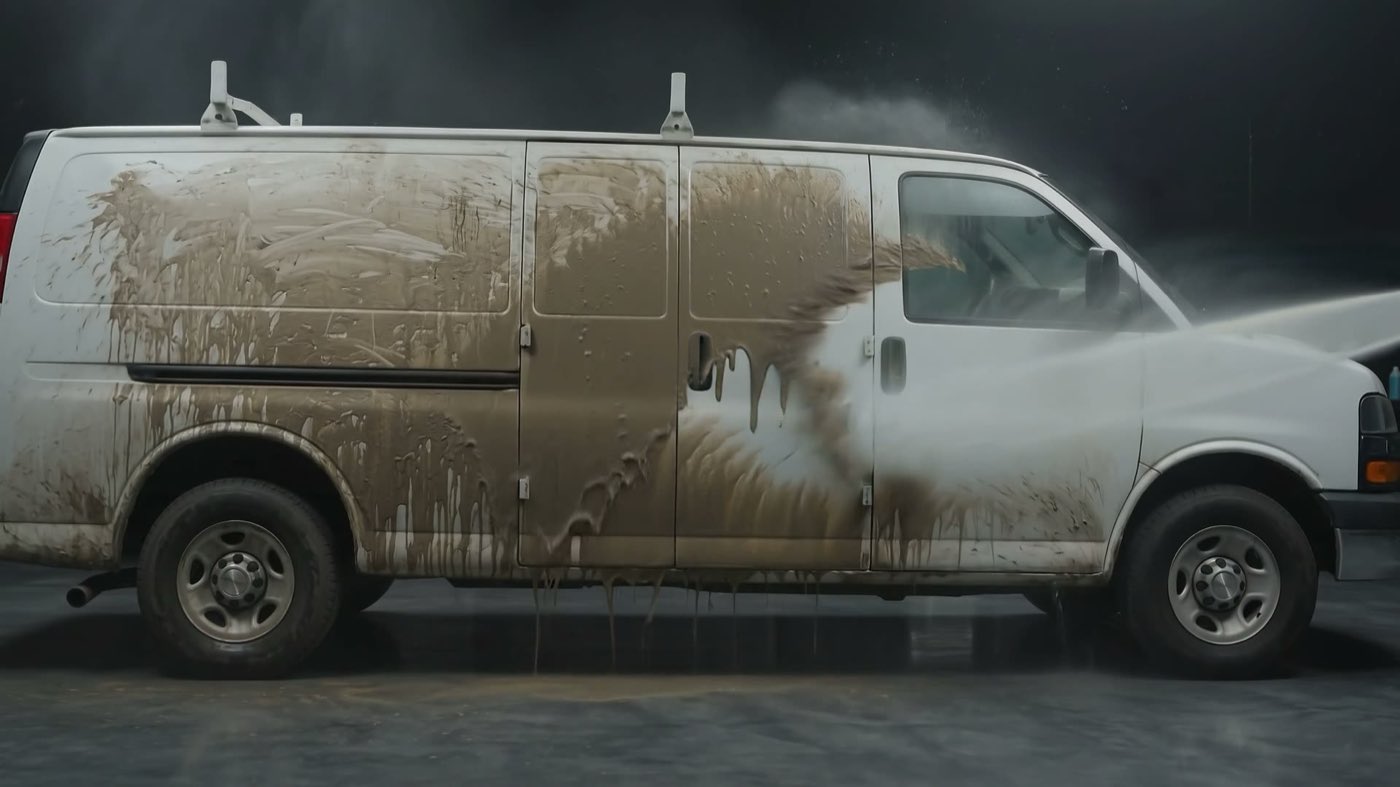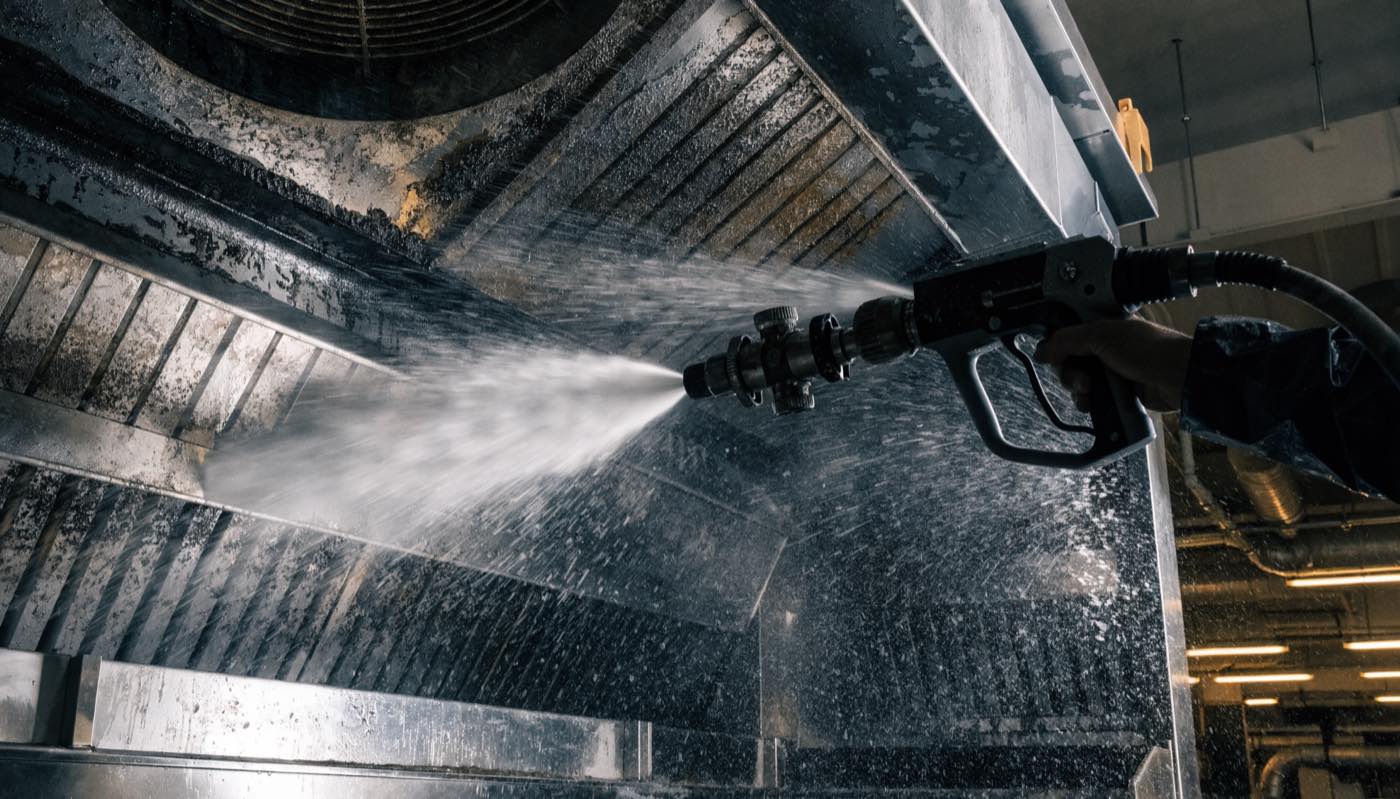
Water management · Industrial steam cleaning
Michigan Commercial Wash-Water Rules
Plan compliant commercial pressure washing in Michigan with practical steps for containing, routing, documenting, and disposing of wash water.
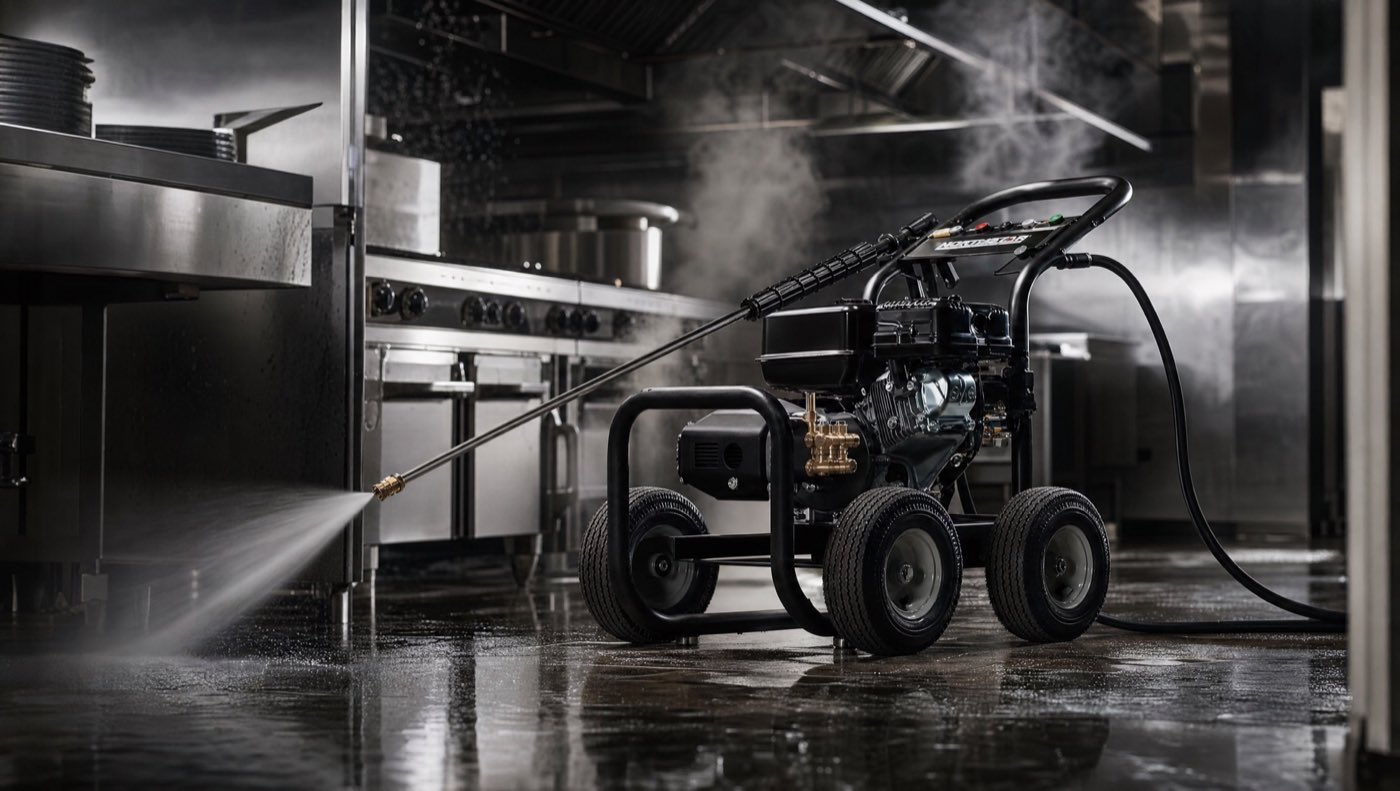
Pressure washing creates more than a clean surface. It also creates wash water that can carry soil, oil, grease, detergent, paint particles, metals, food residue, or other material removed from the work area. At a Michigan commercial or industrial site, where that water goes matters as much as how the surface is cleaned.
A nearby grate is not automatically a safe disposal point. Storm drains generally carry runoff to a river, lake, stream, wetland, or other surface water rather than to a wastewater treatment plant. Michigan EGLE states that a discharge to a storm sewer is considered a direct discharge. Its guidance also says general industrial stormwater permits do not authorize vehicle, boat, or equipment wash water.
That makes wash-water planning a pre-job task, not a decision to make after water is already moving across the pavement.
Start by identifying every possible drainage route
Walk the work area with the facility contact before choosing equipment or setting a schedule. Locate storm drains, catch basins, drainage ditches, floor drains, trench drains, sumps, landscaped edges, and low points. Then determine where each one leads.
Drain appearance is not enough. A floor drain may connect to a sanitary sewer, a storm system, an onsite treatment unit, or another destination. A paved yard may drain through sheet flow even when no inlet is visible. Ask for the facility drainage map and confirm uncertain connections with the site’s environmental or maintenance team.
The basic distinction is important:
- Storm sewer: Generally routes water without municipal wastewater treatment and ultimately discharges to surface water.
- Sanitary sewer: Routes wastewater to a treatment plant, but an industrial or commercial discharge still needs approval from the receiving municipality or wastewater treatment plant.
- Surface water: A direct discharge of waste or wastewater requires NPDES authorization in Michigan.
- Ground: Infiltration is not an automatic disposal method. EGLE guidance identifies groundwater discharge as a separately reviewed option, and some wash water cannot be authorized for it.
Never rely on the phrase “it has always gone there.” Confirm the actual connection and current approval.
Stormwater authorization is not wash-water authorization
EPA explains that industrial material handling, equipment maintenance, and cleaning can expose pollutants to rain and snowmelt. Certain industrial stormwater discharges require NPDES permit coverage. That stormwater framework addresses runoff associated with regulated industrial activity; it does not turn a storm drain into a process-water disposal route.
For vehicle and equipment washing, EGLE is direct: its general stormwater permits do not authorize the wash water. Sending that water to a storm sewer or surface water requires NPDES authorization. An existing facility permit should be checked for its actual terms rather than treated as blanket permission.
This distinction also applies when a mobile contractor performs the work. Bringing the washing equipment to the property does not change the destination of the discharge or remove the need to coordinate with the facility. The site and contractor should agree on controls before mobilization.
Choose the control method before the crew arrives
The right method depends on the surface, the material being removed, the water volume, the cleaners used, existing infrastructure, and approvals held by the site. Common control paths include the following.
Use a designated washing area
A permanent wash bay or designated cleaning area can keep water away from storm drainage and direct it into an approved collection or treatment system. Confirm that berms, curbs, drains, and shutoff points are functional. Also verify the final destination; a labeled wash area is useful only when its discharge is authorized.
Contain and collect the water
Temporary berms, drain covers, vacuum recovery equipment, and collection mats can stop water from leaving the work zone. The setup must match pavement slope and expected flow. Collection is only the first half of the plan: decide where the recovered water will go before filling a tank.
Seek approval for sanitary discharge
EGLE lists discharge to the sanitary sewer as an option when the wastewater treatment plant approves it. Contact the municipal sewer authority or treatment plant in advance. It may need information about the cleaning process, detergents, expected contaminants, volume, or pretreatment. A convenient sanitary connection is not permission by itself.
Arrange approved off-site disposal
Recovered wash water may be contained, pumped, and hauled by a licensed industrial waste hauler to a wastewater treatment plant or approved disposal facility. Confirm that the receiving facility will accept the waste stream. Keep the service record, quantity, date, and destination with the project closeout documents.
Recirculate water in a closed system
A recirculating system can reduce water use and the frequency of disposal. EGLE notes that when there is no discharge to surface water, a storm sewer, or groundwater, state discharge permits are not required for that closed-loop operation. Residual water and collected solids still need an appropriate management plan.
High-pressure or industrial steam cleaning may reduce water or detergent needs for some work, but reduced volume is not the same as authorization to discharge. The remaining water still needs to be contained and routed correctly.
Build the plan into the scope of work
A useful wash-water section in the job plan should name:
- The surfaces and equipment being cleaned.
- Materials expected to be removed and any cleaning products used.
- Drain locations, flow direction, and confirmed drain destinations.
- Containment, collection, and backup measures.
- The approved discharge or disposal route.
- The person authorized to stop work if containment fails.
- Records to retain, including municipal approval or disposal receipts.
Schedule a short pre-work review with the crew and facility representative. Inspect containment before water starts, watch it throughout the job, and stop if water approaches an unprotected drain or property boundary. Rain can change flow paths and overwhelm a setup, so weather belongs in the go/no-go decision.
For vehicle programs, the same planning should be part of every fleet washing schedule rather than handled as a one-time discussion. Recheck the route whenever the wash location, chemistry, equipment, or site drainage changes.
Confirm responsibility at the local and state levels
Wastewater requirements are site- and discharge-specific. Michigan administers the NPDES program, while municipalities and treatment plants control access to their sanitary systems and may impose pretreatment conditions. The facility may also have permit terms, a stormwater pollution prevention plan, or operating procedures that affect the work.
This article is practical planning information, not legal advice or a permit determination. Before washing, confirm the proposed method with the facility, the municipality or wastewater treatment plant, and EGLE. Get approvals in a form the project file can retain.
A clear route, physical containment, and documented approval protect the waterway and prevent last-minute improvisation. If your site needs a cleaning plan that accounts for drainage and recovery from the start, contact our team to discuss the work area and operating constraints.
Put the field guide to work
Need this handled at your site?
Platinum scopes the work, photographs each stage, and closes out the job with a record your team can file.
Common questions
What facilities teams ask.
Can commercial pressure-washing water go into a storm drain in Michigan?
Do not assume it can. EGLE treats a storm-sewer discharge as a direct discharge because it does not go to a municipal treatment facility. Vehicle and equipment wash water discharged to a storm sewer or surface water requires NPDES authorization. Confirm the planned route with the facility, municipality, and EGLE before work starts.
Can wash water be discharged to a sanitary sewer?
It may be an option only with approval from the wastewater treatment plant or municipal sewer authority. The receiving authority may set conditions based on the water, contaminants, cleaners, volume, and facility pretreatment requirements. Approval should be confirmed before washing begins.
Does an industrial stormwater permit cover equipment wash water?
Do not assume that it does. EGLE's activity-specific guidance says the general stormwater permits do not authorize vehicle, boat, and equipment wash water. The facility should verify the scope of its existing authorization with EGLE.
Who should approve a wash-water plan?
Coordinate with the facility contact and stormwater operator, the municipality or wastewater treatment plant for any sewer connection, and EGLE when a state discharge authorization question remains. Site conditions and the proposed disposal route determine which approvals apply.